Honeywell Terminal Manager helps terminal operators digitally plan, coordinate and execute truck, rail and marine movements, improving visibility, reducing congestion, strengthening readiness and turning planning into a competitive advantage across complex terminal operations.
For many terminal operators, the most valuable capacity improvement is not always a new tank, rack, berth or rail spur. It is the ability to plan, coordinate and execute the assets they already have with greater confidence. Honeywell Terminal Manager’s Planning & Scheduling capabilities are designed for that exact challenge: giving terminal teams a structured, digital way to manage truck, rail and marine movements before they become operational bottlenecks.
Terminals are complex coordination environments. Product availability, tank status, berth windows, railcar arrival, truck appointments, loading rack capacity, manpower, documents, inspections and ERP orders all need to align. When this coordination is handled through spreadsheets, calls and emails, the result can be congestion, manual rework, missed appointments, slow customer communication and limited visibility for management. Terminal Manager helps replace those disconnected handoffs with controlled planning workflows that connect commercial intent with site execution.
For truck operations, planners can manage bookings through a planning board, configure loading slots, review daily schedules, confirm appointments, handle pre-arrival requirements and manage exceptions such as reschedules, cancellations, no-shows or rejected movements. Carriers and customers can be supported through a web portal workflow, helping reduce manual communication while improving readiness before the truck reaches the gate. This means the terminal is not simply reacting to arrivals; it is preparing the loading operation in advance.
For rail operations, Terminal Manager extends the planning concept into yard and railcar coordination. Inbound railcars, proposed and actual arrivals, order lists, offsite storage, completed orders, track lists and pull lists can be managed in a structured workflow. This gives rail teams better visibility of what is expected, what has arrived, where railcars are positioned, which orders are associated, and which movements are ready to progress. For storage operators and fuel distribution terminals, that visibility is essential for reducing dwell, improving rail asset utilisation and strengthening reconciliation.
For marine terminals, Planning & Scheduling supports vessel and tender workflows, berth planning, schedule overview, planning calendar visibility, acceptance and readiness notifications, work packets, service tracking and operational status progression from planned activity through docking and departure. These capabilities are especially valuable where marine movements involve surveyors, vessel agents, berth constraints, product readiness, custody transfer requirements and documentation discipline. Terminal Manager helps bring those stakeholders into a governed workflow rather than relying on fragmented follow-up.
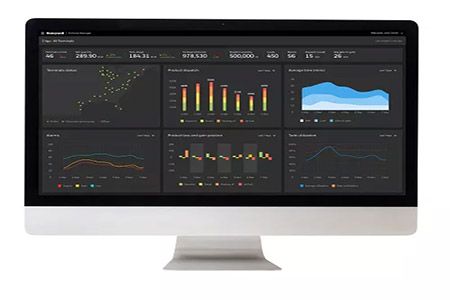
The major differentiator is the integrated view across modes and assets. Instead of treating truck, rail and marine as isolated scheduling problems, Honeywell Terminal Manager supports a broader planning environment that can show daily and weekly activity, expected movements, all movements and potential conflicts. That integrated view helps planners understand whether a schedule is feasible against berth availability, loading resources, tank inventory, manpower and operational constraints. It also helps leaders move from after-the-fact reporting to proactive decision support.
Because Terminal Manager sits within Honeywell’s broader terminal automation portfolio, planning is not separated from execution. Schedules can be connected to terminal master data, tank monitoring, role-based permissions, notifications, reports, ERP interfaces and operational workflows. The result is a trusted movement record: what was planned, what was accepted, what was ready, what arrived, what changed, what was completed and what needs follow-up.
For terminal operators, the business outcome is clear. Better planning can help reduce congestion, improve throughput, increase asset utilisation, improve customer responsiveness, reduce manual effort and strengthen auditability. For multi-modal terminals handling fuels, chemicals, marine cargoes, storage and distribution, Honeywell Terminal Manager’s Planning & Scheduling capability is more than a calendar. It is a practical operating layer that helps synchronise people, products, assets and systems across the full terminal movement lifecycle.
Explore how Honeywell Terminal Manager can help connect planning with execution, improve operational readiness, and drive better business outcomes. Let’s connect: Oil & Gas Terminals.